



How to Manage Rent Arrears in Kenya
Rent arrears are one of the recurring challenges faced by landlords and property managers.
The first step in managing arrears is knowing exactly which tenants have outstanding balances and how much is owed.
The second is creating a consistent process for following up.
A rent arrears management system can help organize both.
What Are Rent Arrears?
Rent arrears are amounts that remain unpaid after a payment becomes due.
For property managers, arrears can involve:
- Unpaid rent
- Part payments
- Outstanding service charges
- Water charges
- Other property-related invoices
When records are kept manually, it can be difficult to see the complete balance for each tenant.
Start With Accurate Invoicing
Arrears management begins before the payment becomes late.
Tenants should receive clear invoices showing what they are expected to pay.
Nyumbani supports automated invoicing and receipting through SMS and email.
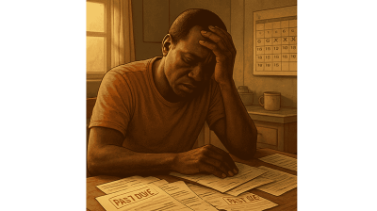

Start With Accurate Invoicing
Arrears management begins before the payment becomes late.
Tenants should receive clear invoices showing what they are expected to pay.
Nyumbani supports automated invoicing and receipting through SMS and email.
Track Payments in Real Time
Once a tenant makes a payment, the tenant's account should be updated.
Nyumbani supports payment tracking and M-Pesa reconciliation, helping property managers see payment information without relying entirely on manual updates.
Automate Reminders
Manual follow-ups take time.
A property management system can help send reminders to tenants with outstanding balances.
Nyumbani includes automated arrears reminders and SMS/WhatsApp communication tools.
Give Managers a Clear Arrears Report
A good arrears report should make it easy to see:
- Tenant
- Unit
- Expected amount
- Amount paid
- Outstanding balance
- Other applicable charges
Nyumbani's reporting includes arrears information at the resident and property level.
Don't Treat Every Arrears Case the Same
Not every unpaid balance has the same cause.
A tenant may have:
- Paid partially
- Paid but the transaction has not been reconciled
- Forgotten the payment deadline
- An outstanding utility charge
- A disputed charge
Accurate records make it easier to investigate before taking further action.
